
JULY 9, 2026
When Expertise Stops Being Enough
You've assembled a team of highly capable people. Yet decisions take longer than they should. Discussions go in circles—or everyone waits for the leader to make the final call.


Written by Roxanne Coulombe
Some teams avoid disagreement altogether. Others generate endless debate without ever reaching a clear decision.
The issue is rarely a lack of expertise. More often, it lies in how the team challenges assumptions, explores different perspectives and ultimately makes decisions.
Creating the Conditions for Better Decisions
The leader's role is not to be the smartest person in the room. It's to help the room think smarter together.
The highest-performing teams don't eliminate disagreement. They use it well. They create an environment where people can question ideas, challenge assumptions and raise concerns without fearing that their credibility will suffer.
In practice, that means people feel comfortable to:
- express uncertainty;
- ask questions;
- admit mistakes;
- challenge assumptions;
- offer a minority viewpoint, knowing their expertise and professional reputation won't be diminished.
Here are a few practical ways leaders can create that environment.
1. Create Clarity and Alignment Before Inviting Discussion
Before asking for perspectives, make sure everyone is solving the same problem.
A team can't make a good decision if each person is answering a different question.
Start by clarifying:
- What problem are we trying to solve?
- What decision needs to be made today?
- What criteria will guide our decision?
- What has already been decided, and what is still open for discussion?
The clearer the destination, the more productive the conversation becomes.
2. Show That Leaders Don't Need to Have All the Answers
The more expertise leaders have, the more pressure they often feel to have the answer.
Ironically, the best conversations often begin with questions like:
- What might I be missing?
- What could we be seeing differently?
- What haven't we considered yet?
Acknowledging uncertainty doesn't weaken a leader's credibility. It invites others to think alongside them instead of waiting to be told what to do.
3. Invite Perspectives You Haven't Heard
In scientific organizations, junior researchers and newer professionals often hesitate to challenge senior scientists or executives.
Instead of asking "Does anyone disagree?" or “Does everyone agree”, try asking:
- What other perspectives should we consider?
- What could jeopardize the success of this decision?
- Which assumption might we be taking for granted?
The best decisions rarely come from one person's expertise.
4. Challenge Ideas, Not People
Scientific progress depends on testing hypotheses—not protecting them.
People should never feel that questioning an idea means questioning the person behind it.
One simple reminder can completely change the tone of a discussion: "We challenge ideas—not people."
5. Value Questions as Much as Answers
Scientific organizations naturally reward good answers.
Exceptional teams devote just as much attention to asking better questions.
For example: "What's the most important question we should answer before moving forward?"
6. Learn from Mistakes Instead of Looking for Someone to Blame
In regulated industries, mistakes need to surface early.
The first question a leader asks matters.
Instead of: "Who's responsible?" ask:
- What did we learn?
- What did our process fail to detect?
This shifts the focus from blame to learning—an essential condition for quality, safety and continuous improvement.
7. Let Others Speak First
When leaders speak first, they unintentionally shape the conversation.
A simple rule often leads to better decisions: Invite everyone to share their perspective before the leader offers theirs.
You'll hear more ideas—and better ones.
8. Recognize the Behaviours Behind Great Decisions
Publications, discoveries and business results are easy to recognize.
The behaviours that make them possible often go unnoticed.
Show recognition to team members who:
- raise potential risks;
- ask for help early;
- challenge assumptions;
- change their minds when new evidence emerges;
- openly share mistakes so others can learn.
Those behaviours build trust over time.
9. Treat Disagreement as an Asset
Healthy disagreement strengthens decisions.
Personal conflict weakens them.
One question works remarkably well: "If we had to argue the opposite position, what would our strongest case be?"
It often exposes blind spots before they become expensive mistakes.
Building Teams That Think, Decide and Perform Together
When people don't feel safe expressing concerns, questioning assumptions or admitting mistakes, leaders become the decision-maker, problem-solver and safety net for the entire team.
Decision-making slows down. Accountability weakens. The team becomes increasingly dependent on the leader.
The opposite is also true.
When people trust that their perspectives will be heard and respected, they take greater initiative. They solve more problems together, make better decisions and assume greater ownership for the outcomes.
This is exactly what team coaching develops.
It isn't simply about improving communication or strengthening relationships. It's about helping teams think better together, make stronger decisions, hold one another accountable and perform at a higher level.
Today's leaders are no longer expected to have all the answers. Their role is to create the conditions that enable their teams to think critically, act independently and consistently perform at their best.
Recent Blogs

The Leadership Skill Nobody Promotes You For
Most people are promoted because of what they know. Few are promoted because of their ability to have difficult conversations. Yet once someone becomes a leader, difficult conversations quickly become part of the job.

Why Smart Leaders Become The Bottleneck
Most leaders don’t set out to become a bottleneck. In fact, the leaders most likely to create one are often the most capable people in the organization.
How Founders/ Scientists Can Build Executive Presence Without Losing Technical Capability
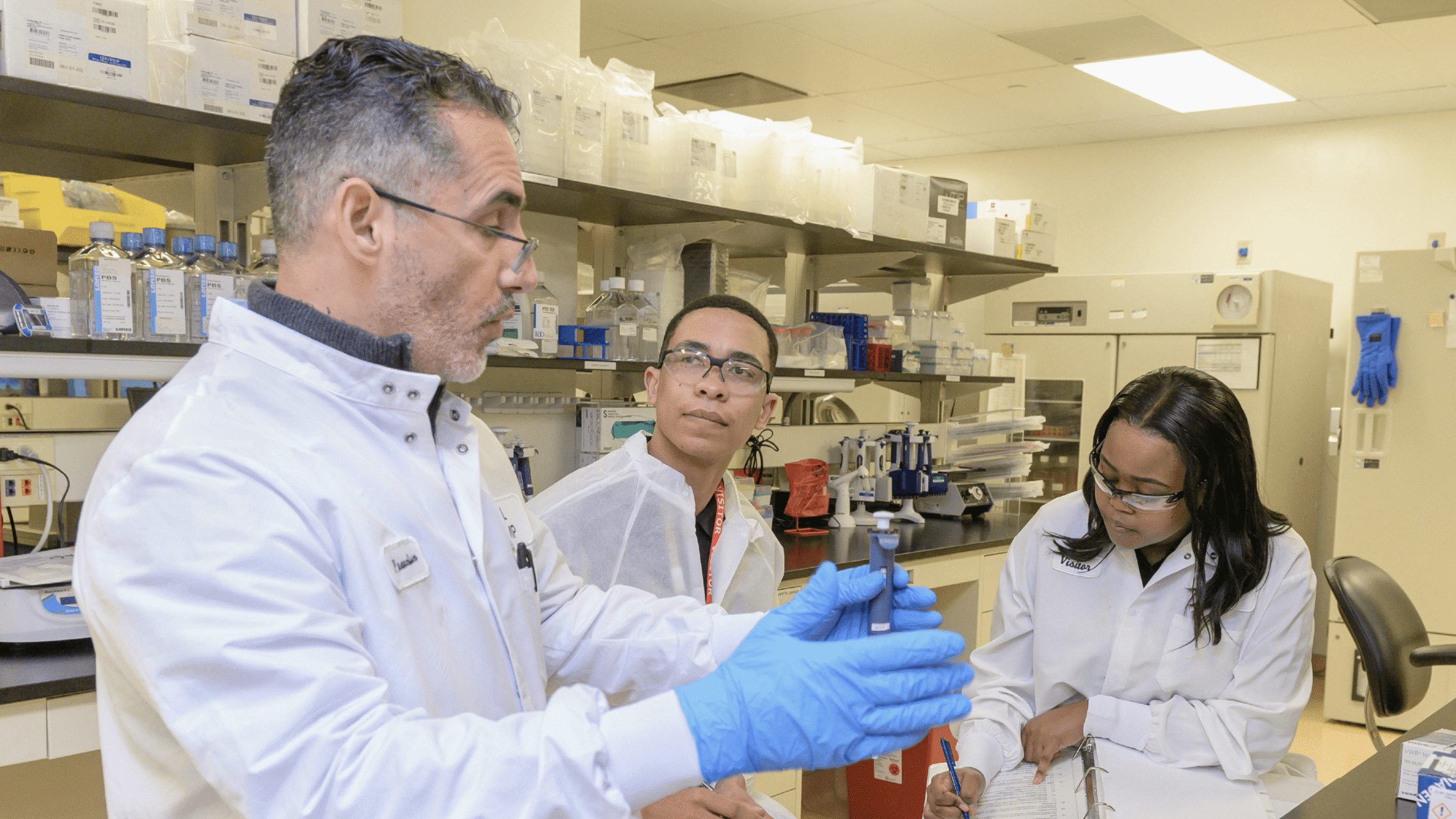
A scientist who becomes a leader faces a specific tension: the expertise that earned respect in the lab is not the same thing that earns trust from a team or from fellow executives.
Let’s Start The Conversation
If your team isn’t performing at the level you know it can, let’s talk about what’s getting in the way. Reach out via the form below or book a 30-minute consultation here.
SERVICES
ABOUT

BLOG
CONTACT
SERVICES
ABOUT
BLOG
CONTACT
2026 © All Rights Reserved.