
JULY 11, 2026
The Leadership Skill Nobody Promotes You For
Most people are promoted because of what they know. Few are promoted because of their ability to have difficult conversations.


Written by Roxanne Coulombe
Once someone becomes a leader, difficult conversations quickly become part of the job.
- Giving constructive feedback.
- Addressing performance concerns.
- Managing disagreements between colleagues.
- Pushing back on unrealistic expectations.
- Clarifying accountability.
The challenge is that many highly capable professionals have spent years being rewarded for expertise, not for navigating tension.
Why smart people avoid difficult conversations
It's rarely because they lack courage. More often, they care about relationships.
- They don't want to discourage someone.
- They don't want to create conflict.
- They want to gather more information before speaking.
Or they convince themselves the issue will resolve on its own. Sometimes it does. Most often, it doesn't.
What avoidance costs
When leaders delay a conversation, the issue rarely stays the same size.
- Confusion grows.
- Frustration accumulates.
- Assumptions replace facts.
By the time the conversation finally happens, people are discussing months of frustration rather than a single issue. The conversation feels harder because it has become harder.
The misconception
Many leaders believe a difficult conversation requires the perfect words.
It doesn't.
People are usually more forgiving of imperfect wording than they are of prolonged silence. The objective isn't perfection. It's clarity.
What works better
- Start with observable facts.
- Describe the impact.
- Ask for the other person's perspective.
- Stay curious longer than feels natural.
Then move toward expectations and next steps. Simple doesn't mean easy. But it is usually more effective than rehearsing a conversation for three weeks and never having it.
Leadership is not the absence of discomfort
One of the biggest shifts from expert to leader is learning that discomfort is not always a sign that something is wrong.
Sometimes discomfort is evidence that an important conversation is finally happening.
The leaders people trust most are not necessarily the most charismatic.
Often, they're the ones willing to address issues early, respectfully, and directly.
The shift
Technical expertise solves many problems. Leadership requires solving human ones. And unlike technical problems, human problems rarely improve through avoidance.
The transition from expert to leader often begins when we realize that people are paying as much attention to our behaviours as they are to our expertise.
To continue the reflection…
Think about a typical week.
- How much of your time is spent applying your expertise?
- How much is spent creating the conditions for others to perform?
Most technical professionals are promoted because of the first. Leadership effectiveness is increasingly measured by the second.
Recent Blogs

When Expertise Stops Being Enough
The issue is rarely a lack of expertise. More often, it lies in how the team challenges assumptions, explores different perspectives and ultimately makes decisions.

Why Smart Leaders Become The Bottleneck
Most leaders don’t set out to become a bottleneck. In fact, the leaders most likely to create one are often the most capable people in the organization.
How Founders/ Scientists Can Build Executive Presence Without Losing Technical Capability
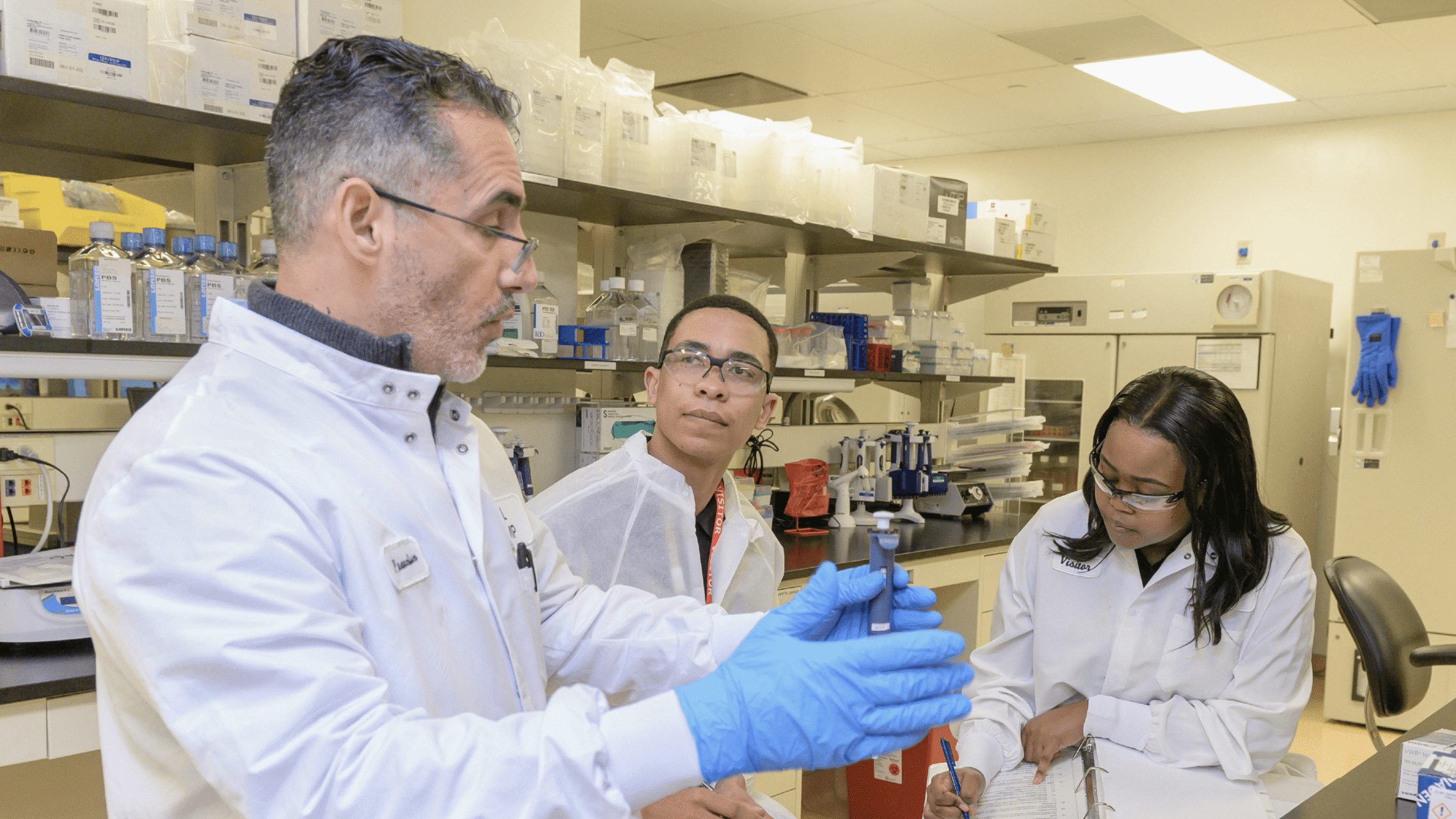
A scientist who becomes a leader faces a specific tension: the expertise that earned respect in the lab is not the same thing that earns trust from a team or from fellow executives.
Let’s Start The Conversation
If your team isn’t performing at the level you know it can, let’s talk about what’s getting in the way. Reach out via the form below or book a 30-minute consultation here.
SERVICES
ABOUT

BLOG
CONTACT
SERVICES
ABOUT
BLOG
CONTACT
2026 © All Rights Reserved.